
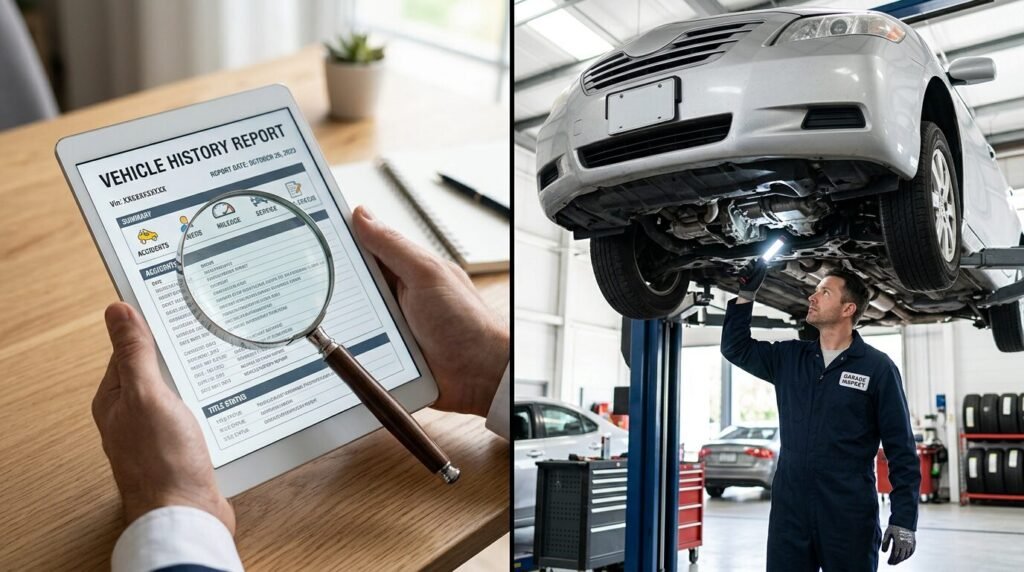
Almost every used car listing mentions Carfax, and plenty of buyers treat the report as the final word. But is Carfax actually reliable — and how accurate are its reports? The honest answer: very useful, but only as good as the records it receives. Here’s what Carfax gets right, where it can miss things, and how to use it without getting burned.
Is Carfax reliable? The quick answer
Yes — as a record of what has been reported about a car. Carfax is especially dependable for title brands, ownership and registration history, and mileage records, because much of that comes from official sources such as state DMVs. It’s less complete for accidents and repairs, because it only knows about the ones that were reported to it. Use it to rule cars out, not as proof that a car is perfect.
What Carfax is good at
- Title brands — salvage, flood, rebuilt and lemon brands come from state title records, so they’re among the most reliable items on the report.
- Ownership and registration — how many owners, where the car was registered and whether it was a rental or fleet vehicle.
- Odometer history — many dated readings over the years make mileage fraud hard to hide.
- Service records — dealer service departments and many chains report regularly.
Where Carfax can be wrong or incomplete
- Unreported accidents — if there was no police report or insurance claim and the car was fixed at a shop that doesn’t report, the accident may never appear.
- Missing service history — not every shop reports, and do-it-yourself maintenance never shows up.
- Delays — a recent accident or repair can take weeks to reach the report.
- Clerical errors — a mistyped odometer reading or a record attached to the wrong VIN can create a false warning.
- Limited detail — a damage record may say little about how bad the damage was or how well it was repaired.
Learn more about where the data comes from in how does Carfax get its information?
How accurate is Carfax? Common errors and how to spot them
Most records are accurate, but mistakes happen. Watch for:
- An odometer reading that jumps or drops once and then returns to normal — often a typo rather than fraud, but ask for records that prove it.
- Events in a state the car was never in — possibly a VIN mix-up.
- Damage the seller can document as never having happened — paperwork beats guesswork.
If a report about your own car contains a mistake, you can contact Carfax with supporting documents, such as repair invoices or inspection records, and ask it to review the record.
What about the Carfax Buyback Guarantee?
Carfax offers a Buyback Guarantee for cars whose report missed certain DMV-issued title brands, such as salvage, junk, rebuilt, flood, fire, hail or lemon/manufacturer buyback. It doesn’t cover accidents or mechanical problems, and there are conditions and time limits, so read the terms before relying on it. It’s a useful safety net for title problems — not a guarantee that the car is in good shape.
Is Carfax more reliable than AutoCheck?
Both work the same way — they compile reported records by VIN — and each sometimes has records the other doesn’t. Carfax is known for deeper service and maintenance data, while AutoCheck is strong on auction records. If you’re serious about a car, looking at both can fill gaps. See our full Carfax vs AutoCheck comparison.
How to use Carfax the smart way
- Run the report on the exact VIN yourself — don’t rely on a seller’s printout. CarfaxDeals sells the official Carfax report for $5.
- Treat red flags as deal-breakers or questions — title brands, rollbacks and structural damage deserve a hard look.
- Get a pre-purchase inspection — it catches the damage and wear no report can. Use our used car inspection checklist.
- Ask for service records to fill the gaps in the report.
The bottom line
Carfax is reliable for what it’s built to do: showing the reported history of a car, especially its titles, owners and mileage. It isn’t complete, because unreported accidents and repairs never reach it. A clean report plus a professional inspection is the combination that protects you — see what “clean Carfax” means for more.